



In the ever-evolving landscape of SEO and AEO, staying ahead means paying close attention to emerging SERP features that can impact visibility and traffic.
One such feature that has quietly become a significant presence in the SERPs is the "From Sources Across the Web" block.
As this feature continues to appear more frequently on the SERPs, particularly on mobile, optimizing your content to get included can provide a competitive edge.
Below, we’ll explore actionable steps to optimize your content for this feature and reveal how seoClarity can simplify the process.
Table of Contents:
- What is the “From Sources Across the Web” SERP Feature?
- Why is “From Sources Across the Web” Important?
- Where do the “From Sources Across the Web” Results Come From?
- Optimizing for the “From Sources Across the Web” SERP Feature
Key Takeaways:
- Entity-Based Logic: Inclusion of the "From Sources Across the Web" feature is driven by co-occurrence. Google identifies which brands or products are frequently mentioned alongside specific topics across the internet to build these lists.
- Beyond Backlinks: Optimization requires "Reference Building." It is less about the link and more about the mention of your brand within authoritative listicles (e.g., "Best of" or "Top 10" articles).
- Topical Authority is Mandatory: To be cited, your own content must demonstrate deep topical relevance. Using capabilities like Content Fusion helps align your content with the specific entities and semantic patterns Google’s algorithms expect.
Prefer video? Watch this quick walk-through instead!
What is the “From Sources Across the Web” SERP Feature?
The "From Sources Across the Web" feature is a relatively new addition to Google's Search Engine Results Pages (SERPs), first appearing in 2022.
It presents users with a collection of excerpts from various websites, aggregated into a carousel or block within the search results.
Here’s an example:
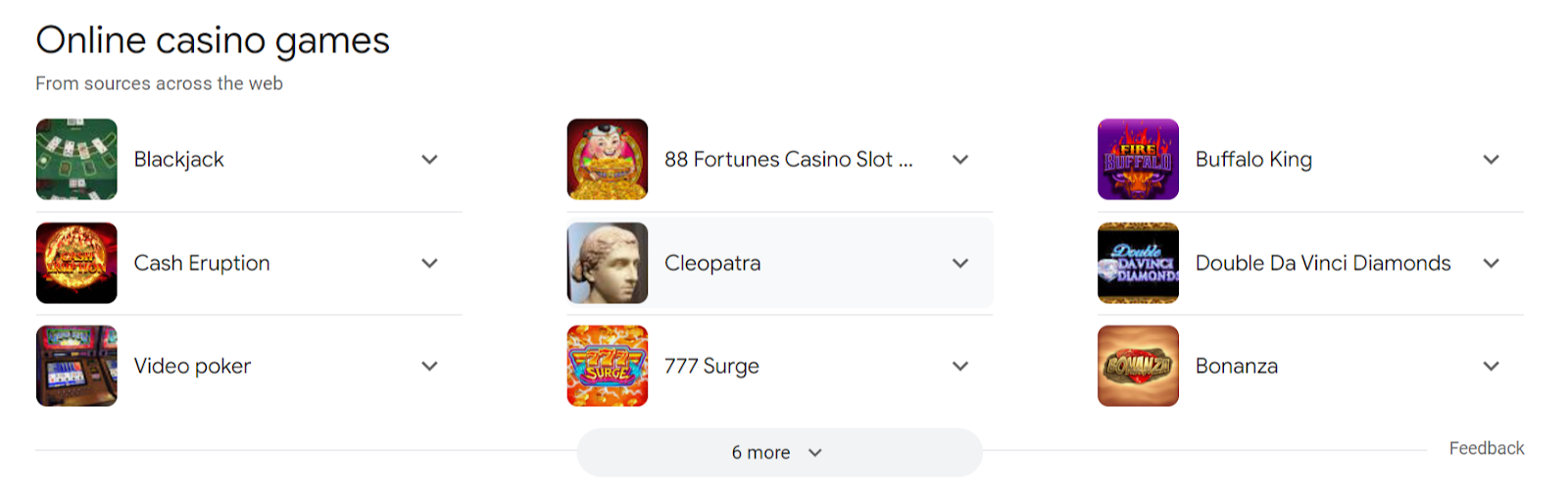
And here’s what it looks like when expanded:
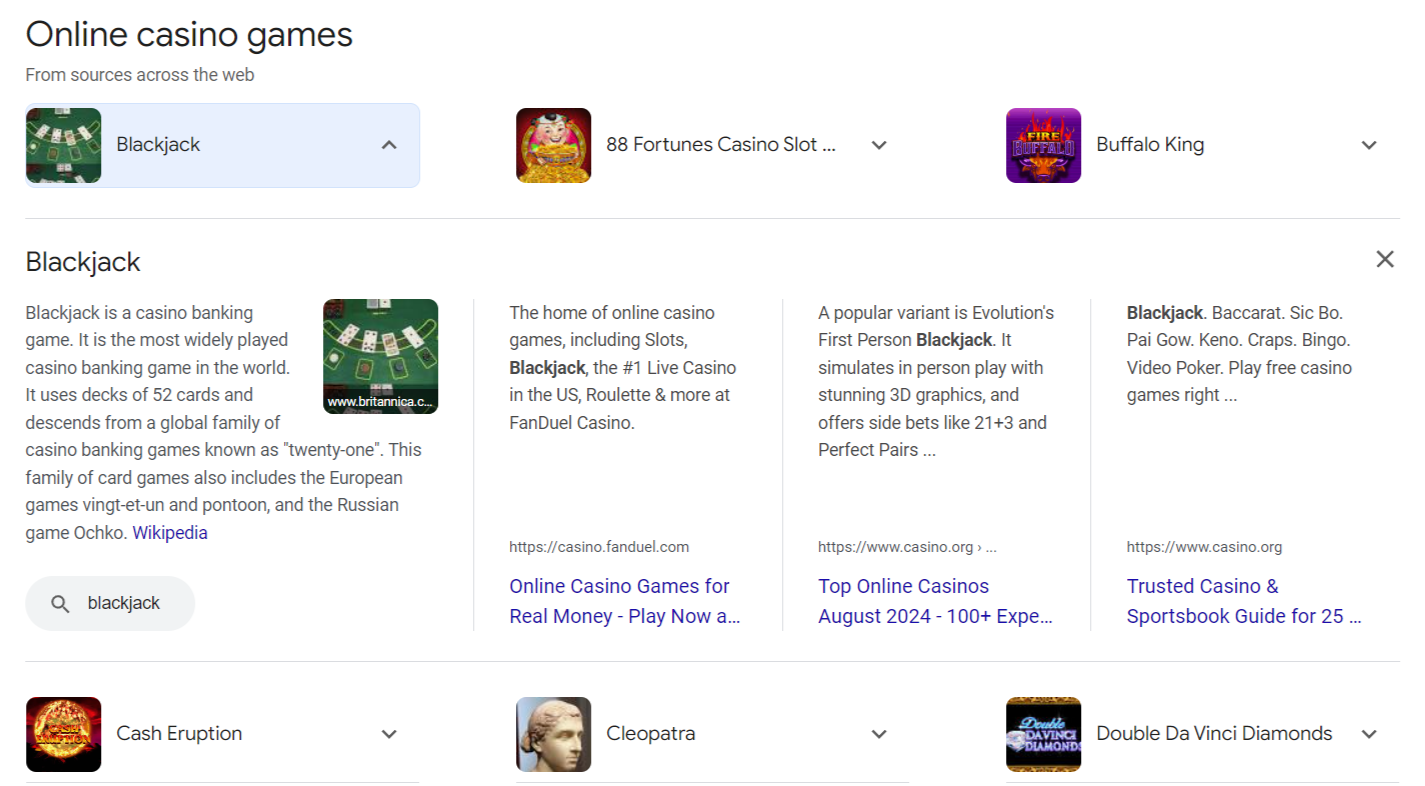
This feature is designed to offer users a broader perspective on a specific query by pulling in relevant content snippets from multiple sources, often accompanied by the publication name and sometimes the date of publication.
Why “From Sources Across the Web” Matters for Organic Visibility
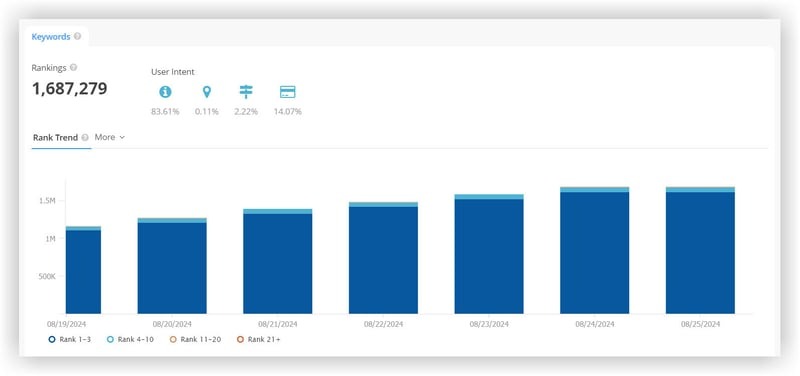
This SERP feature became significantly more visible in mid-to-late 2024 and often appears in one of the most prominent positions on the SERP.
According to a sampling of more than one million keywords from the US mobile results, >96% of the time it’s in position 1-3 and 84% of the time in the first position!
Still not convinced? We are seeing this new SERP feature dominant in those positions in countries across the globe, including the United Kingdom, Germany, Italy, Canada, Mexico, and likely more to come.
Where do the “From Sources Across the Web” Results Come From?
To identify how to get included in the “From Sources Across the Web” SERP feature, it’s important to first understand where the results come from.
In short, the results are based on Google's scraping of the web and identification of what entities co-occur within the topic.
Optimizing for the “From Sources Across the Web” SERP Feature
To effectively optimize for the "From Sources Across the Web" SERP feature, it's crucial to understand the driving factor behind the items listed in it: the co-occurrence of the terms in association with the given topic.
Google’s algorithms look for patterns where specific terms appear together in context, signaling their relevance to one another.
For example, when crawling the web, if Google encounters the term "online casino games" on pages that also mention "Roulette" and "Black Jack," it’s a strong indication that the term and the topic are related.
This means that to show up in the list for “From Sources Across the Web,” you must be referenced in articles and blog posts that cover topics related to your business
Here are two opportunities to ensure that your business, products, or content are frequently referenced within online resources that discuss related topics:
1. Reference Building Through Strategic Outreach
One of the most effective ways to optimize for the "From Sources Across the Web" feature is by getting mentioned in authoritative, topic-related articles.
Specifically, focus on getting referenced in list-based articles that rank or recommend top products, services, or resources in your industry — such as "Best [Category]" or "Top X [Solutions]."
This process, known as "reference building," is similar to traditional link building but with a focus on getting your business or content mentioned as a valuable resource.
To do this, reach out to the authors or editors of sites that publish high-quality content in your niche and offer them insights, data, or unique content that can add value to their articles. Make it easy for them to include a mention of your business as a top choice or example in their content.
How seoClarity Helps With Reference Building
seoClarity makes it easy to find reference-building opportunities.
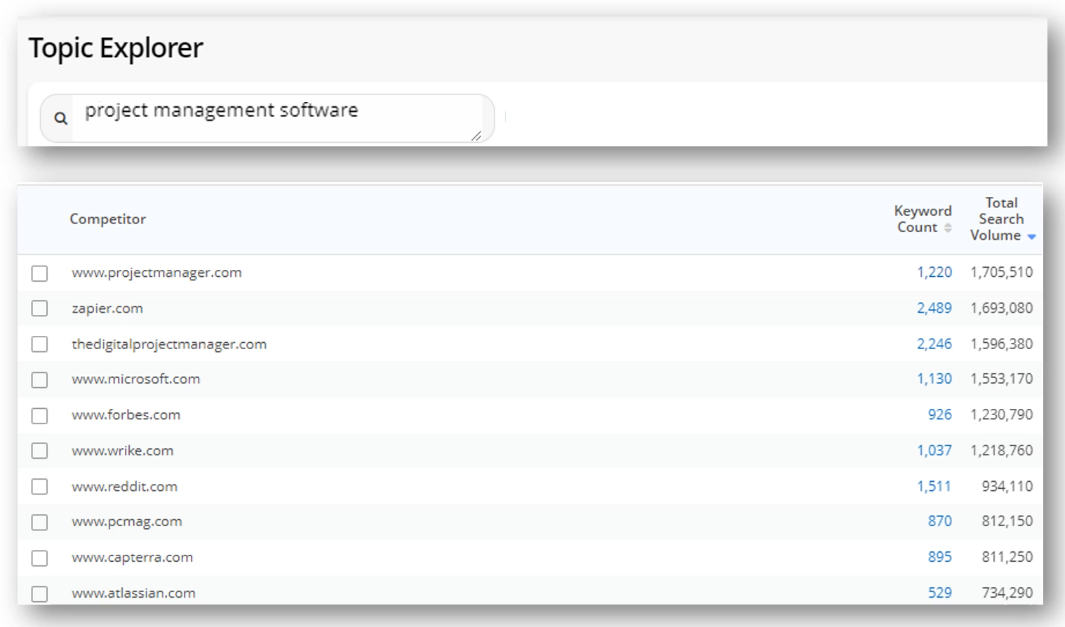
First, enter your target keyword in Topic Explorer and use the top competitors tab to identify the top-ranking sites for that topic. These may be good targets for outreach to get your brand mentioned.
Then, choose one of the domains you found and enter it into Research Grid Domains. Use the keyword pattern filter to look for keywords that contain “best” or “top” or other words that might indicate a list-style article.
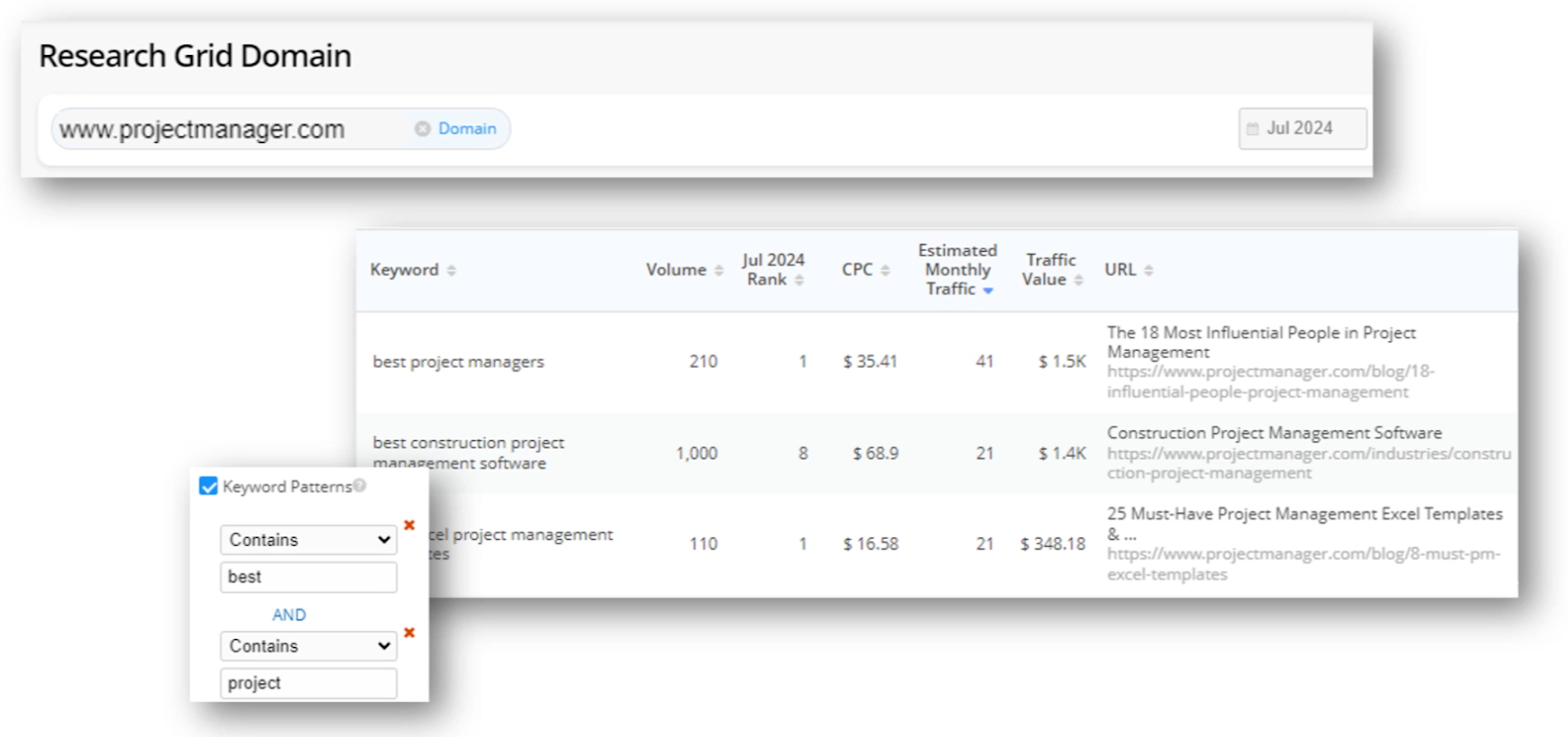
As a result, you’ll have a list of pages to target for your outreach to get mentioned.
2. Seeding References with Your Own Content
Another method to optimize for the “From Sources Across the Web” SERP feature is to create and optimize content on your own site that thoroughly covers the relevant terms and concepts.
By "seeding" references within your site’s content, you’re essentially creating a foundation of resources that others can reference and that search engines like Google can recognize as authoritative.
Additionally, ensure these content pieces are well-interlinked, optimized for the topics you’re targeting, and cover related entities in-depth. This will help Google understand the relationship between terms and increase the visibility of your content.
It’s also beneficial to actively promote your content across social media, newsletters, and through partnerships. The more visibility your content gets, the more likely it is to be referenced by others, further boosting your chances of appearing in the SERP feature.
How seoClarity Helps With Topic Authority
seoClarity's AI content writer and analysis capability, Content Fusion, leverages the same core machine learning models used by Google to identify and assess topical relevance.
By simply inputting your target keyword, Content Fusion uncovers the most important entities, related keywords, and contextual relationships that should be included in your content.
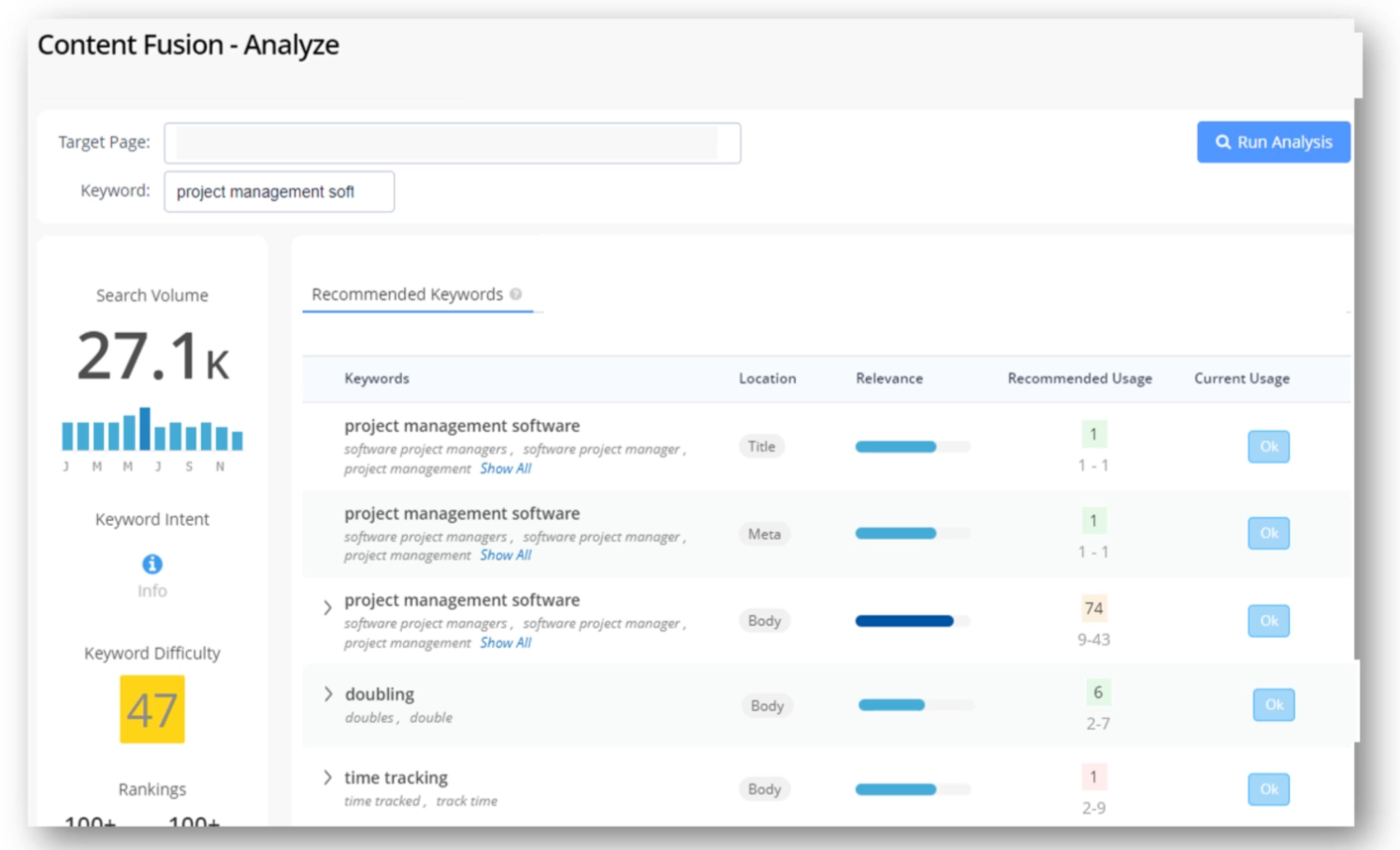
This ensures that your content aligns closely with what Google recognizes as authoritative and relevant within the topic.
This strategic use of AI-driven insights helps you build stronger references on your site, enhancing your chances of inclusion in the "From Sources Across the Web" feature.
Frequently Asked Questions About the "From Sources Across the Web" SERP Feature
1. How does "From Source Across the Web" differ from a standard Featured Snippet?
A Featured Snippet typically provides a single, direct answer from one source. "From Sources Across the Web" is an aggregator module. It pulls insights from multiple different domains simultaneously to provide a "consensus" or a list of options. It occupies more vertical space and offers users more variety than a single snippet.
2. Can I track my performance in "From Sources Across the Web" within Search Console?
Standard Google Search Console (GSC) reporting does not currently break out "From Sources Across the Web" as a specific search appearance type. Clicks from this feature are typically rolled into your standard organic search traffic. To see if you are appearing, use seoClarity’s Rank Intelligence, which identifies specific SERP features present for your keyword portfolio.
3. Is "Reference Building" just another name for PR?
There is overlap, but Reference Building is more targeted toward SEO. Traditional PR looks for any brand mention; Reference Building specifically targets high-ranking listicles and "best of" guides that Google already crawls frequently to populate these SERP blocks. It’s about being where Google is already looking for answers.
4. Will "NoFollow" links on third-party sites prevent me from appearing?
No. Since this feature is driven by the presence of your brand name and relevant keywords (co-occurrence) rather than the "link juice" (PageRank) passed by a link, a NoFollow link (or even a mention without a link at all) can still trigger your inclusion in the block.
Conclusion:
By combining strategic reference building with robust content creation on your own site, you can enhance your presence in the "From Sources Across the Web" feature, driving more organic traffic and solidifying your authority in your industry.
To learn more about how seoClarity can help you identify reference-building opportunities and optimize your content to increase your chances of getting featured in this SERP feature, schedule a demo today!

<Editor's Note: This blog was originally published in August 2024 and has since been updated.>


Comments
Currently, there are no comments. Be the first to post one!